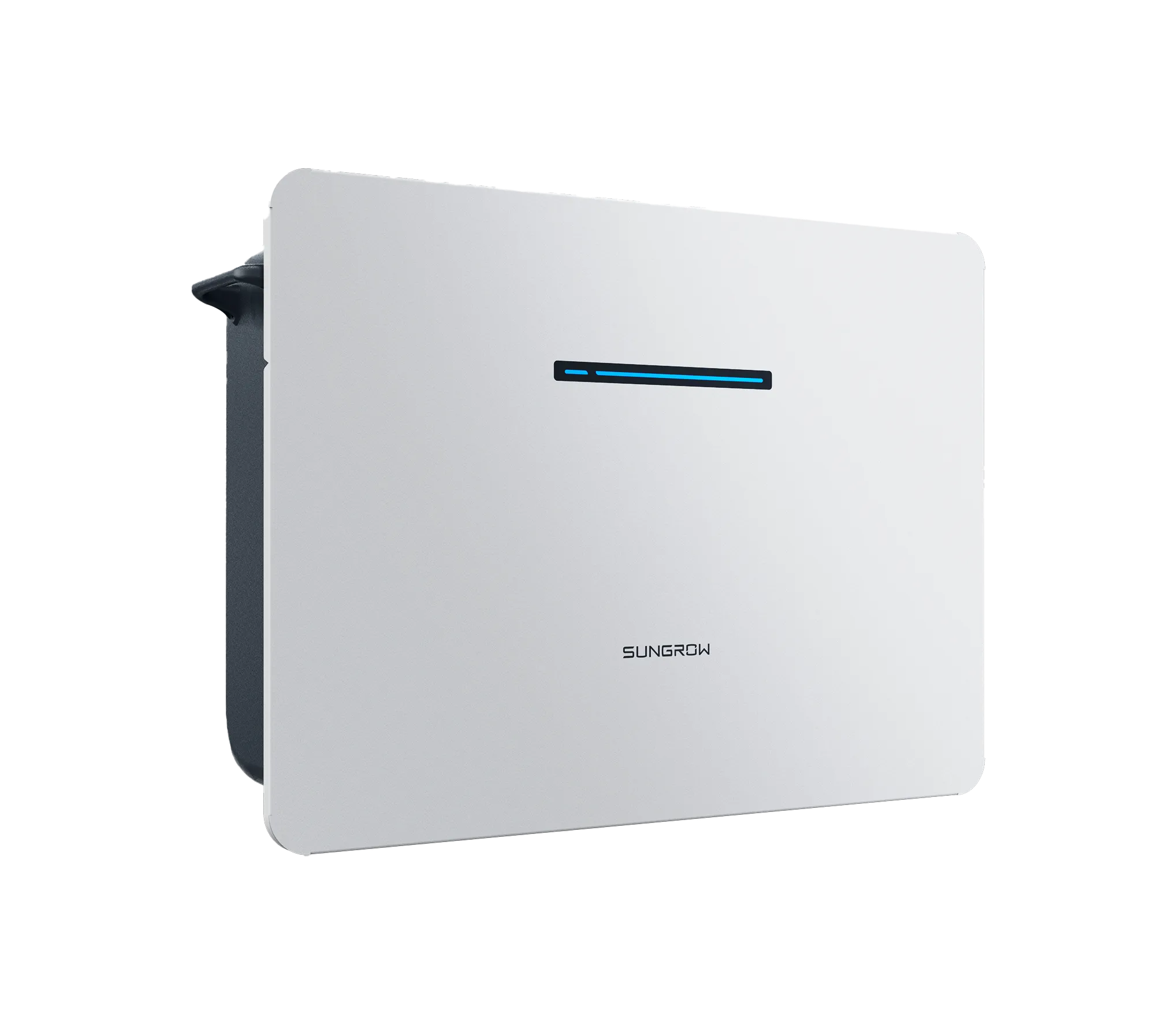
Accurate voltage measurement is the backbone of any reliable energy storage system. For homeowners and installers alike, knowing the true state of a home battery prevents unexpected shutdowns, extends cycle life, and ensures safety during peak discharge. Yet not all measurement methods deliver the same precision. From direct terminal readings to pack-level sensing, the approach you choose directly impacts how well your solar batteries for home perform over time. Understanding these techniques helps B2B buyers specify systems that balance cost, accuracy, and longevity.
Direct Terminal Measurement: Simple but Limited
The most basic method involves reading voltage directly at the battery terminals using a multimeter or integrated monitor. While straightforward, this approach fails to account for internal resistance, temperature variations, and load-induced voltage drops. A home battery under heavy draw may show artificially low voltage even when ample charge remains, leading to premature low-voltage cutoffs. For basic troubleshooting this works, but for daily energy management, terminal-only measurement leaves significant performance on the table.
Pack-Level Optimization: Eliminating the Bucket Effect
Advanced solar batteries for home now employ pack-level voltage monitoring, where each module or cell group is measured independently. This technique solves the “battery bucket effect”—where weaker cells limit the entire pack’s usable capacity. With integrated DC/AC and pack-level optimization, voltage imbalances are detected and corrected in real time. Systems like Sungrow’s MGL060 6kWh low-voltage LFP battery leverage this approach, using 314Ah large-capacity cells that ensure high energy density and extended cycles. Pack-level measurement maximizes efficiency and lifespan, allowing each cell to contribute its full potential rather than being dragged down by neighbors.
Practical Guidance for System Specifiers
When evaluating home battery solutions, prioritize systems with distributed voltage sensing rather than single-point measurement. Look for real-time reporting at the individual cell or module level, and confirm that the battery management system uses voltage data to actively balance charge. This becomes especially critical as solar batteries for home scale to meet higher daily throughput demands.
Sungrow’s Approach to Precision and Longevity
Sungrow integrates these best practices directly into its energy storage portfolio. The MGL060 low-voltage LFP battery features pack-level optimization that reduces the battery bucket effect, delivering higher efficiency and a longer lifespan. Paired with 314Ah large-capacity cells, the system ensures extended battery cycles and sustained performance under real-world use. For B2B buyers seeking reliable solar batteries for home that measure voltage intelligently—not just reactively—Sungrow provides a proven, precision-driven foundation.