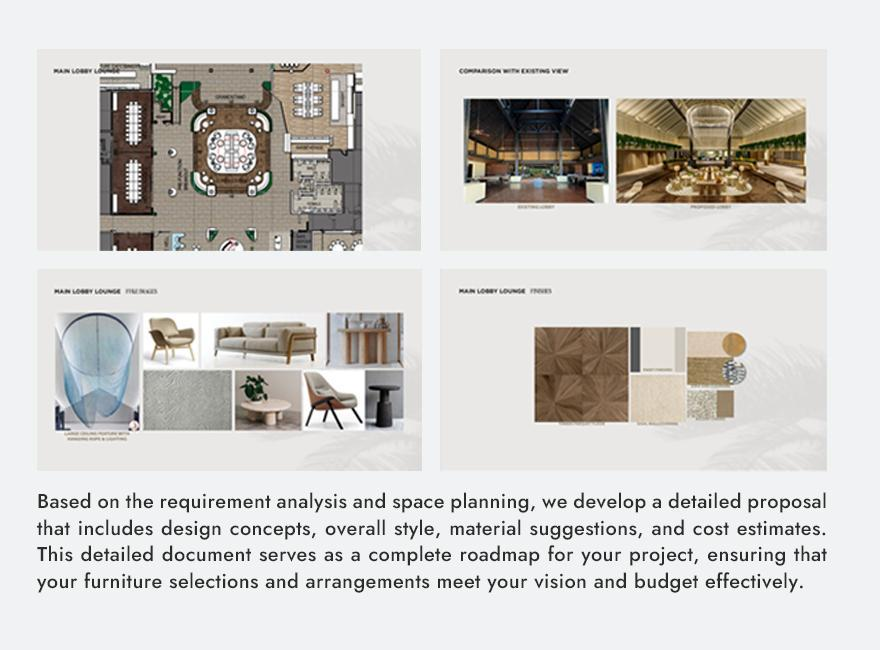
Many ambitious hospitality developments face a critical juncture when the FF&E (Furniture, Fixtures, and Equipment) procurement phase begins. Budget miscalculations and misaligned sourcing strategies during this stage frequently lead to costly timeline extensions. Navigating these complexities requires procurement teams to adopt a highly structured approach from initial financial planning to final site installation.
Developing a realistic budget serves as the foundation for the entire purchasing process. Procurement directors often struggle to balance the lofty visions of interior designers with the strict financial constraints set by developers. Establishing transparent communication between these parties early in the project helps mitigate friction later on.
A detailed financial outline should account for more than just the unit price of the items. Shipping logistics, import tariffs, warehousing fees, and installation labor contribute significantly to the final expenditure.
Selecting a Capable Hotel Furniture Manufacturer
Transitioning from budgeting to sourcing involves identifying partners capable of handling complex hospitality demands. A proficient hotel furniture manufacturer aids in translating conceptual sketches into viable, commercial-grade pieces. Evaluating a vendor’s previous project portfolio and production capacity helps procurement teams gauge their suitability for large-scale operations.
Issuing a Request for Proposal (RFP) requires precision to yield accurate bidding. Vague specifications often result in inconsistent quotes that complicate the comparison process. Including detailed shop drawings, desired material compositions, and fire-rating requirements within the RFP enables vendors to provide realistic pricing and production timelines.
When drafting the RFP, transparency regarding the project timeline allows suppliers to assess their capacity accurately. Unrealistic lead times often force vendors to rush production, which can negatively impact the final finish. Providing a phased schedule for submissions and deliveries supports a more organized bidding environment.
Beyond simply providing cost estimates, respondents to the RFP should demonstrate an understanding of the wear and tear common in hospitality environments. Sourcing teams often request details regarding joinery techniques, foam density, and fabric abrasion ratings. This technical data supports informed decision-making rather than relying solely on aesthetic appeal or initial pricing.
Structuring the Sourcing and Mock-Up Phases
Identifying the right supply chain partner often dictates the overall smoothness of the procurement cycle. Developers frequently seek out consolidated providers who manage multiple facets of the interior outfitting process. Full-service suppliers such as BFP Furniture streamline communication and ease administrative work that comes from coordinating multiple separate suppliers.
Once a vendor is selected, transitioning directly into mass production presents significant financial risks. Requesting physical mock-ups of key items, such as lounge chairs or custom headboards, allows stakeholders to evaluate the build quality firsthand. This tangible review phase helps identify ergonomic flaws or structural weaknesses before broad manufacturing begins.
Reviewing a model room fully outfitted with the proposed fixtures provides an opportunity to assess spatial flow. Hotel operators can test how housekeeping staff interact with the pieces and determine if maintenance protocols need adjustment. Making slight modifications during this stage facilitates a much smoother final installation.
Engineering for Commercial Longevity
The hospitality environment subjects fixtures to rigorous daily use, demanding materials that surpass standard residential specifications. Specifying kiln-dried hardwood frames and heavy-duty, moisture-resistant finishes supports the structural integrity of the pieces over time. These material choices can help slow wear associated with frequent guest turnover.
Casegoods, such as wardrobes and bedside tables, require specific hardware considerations. Specifying heavy-duty drawer glides and soft-close hinges helps prevent premature mechanical failure caused by frequent, forceful use by guests.
Upholstery selections also require careful consideration of operational realities. High-traffic areas benefit from performance textiles treated with stain-repellent coatings or commercial-grade vinyl that mimics natural leather. These strategic fabric decisions aid in maintaining a pristine appearance between scheduled deep-cleaning sessions, helping maintain the property’s intended appearance and brand presentation.
Navigating Global Logistics and Delivery
Before items depart the factory, engaging third-party quality control inspectors provides an additional layer of oversight. These inspectors review the finished pieces against the approved shop drawings and material samples. Identifying discrepancies at the source aids in resolving issues before items are packed into shipping containers.
Sourcing globally provides access to diverse manufacturing capabilities and scalable production. Utilizing hubs for china hotel furniture often supports large-scale projects requiring both volume and intricate customization. Proper logistical planning helps align these international shipments in a phased sequence, matching the floor-by-floor completion rate of the property.
The final hurdle in the FF&E lifecycle involves coordinating international logistics with the construction schedule. Delays in site readiness frequently clash with container arrival dates, necessitating temporary warehousing solutions. Establishing clear communication channels with freight forwarders helps project managers anticipate customs delays and adjust installation schedules accordingly.
Phased deliveries prevent active construction zones from becoming cluttered with premature shipments. Coordinating exact drop-off sequences with the installation teams minimizes handling time and reduces the risk of on-site damage. This synchronized approach helps maintain momentum during the crucial final weeks before a property opens to the public.
Supporting Long-Term Hospitality Operations
A successful procurement strategy extends beyond the initial opening night of the venue. Detailed documentation, including material care guides and warranty information, provides ongoing support for the property’s maintenance staff. Access to this data enables quick repairs or localized replacements without disrupting the guest experience.
Investing time in rigorous RFP development and meticulous vendor vetting ultimately yields a more resilient interior environment. Thoughtful sourcing strategies help bridge the gap between creative design concepts and commercial durability. The result is a refined hotel ambiance built to endure heavy, round the clock operational use.