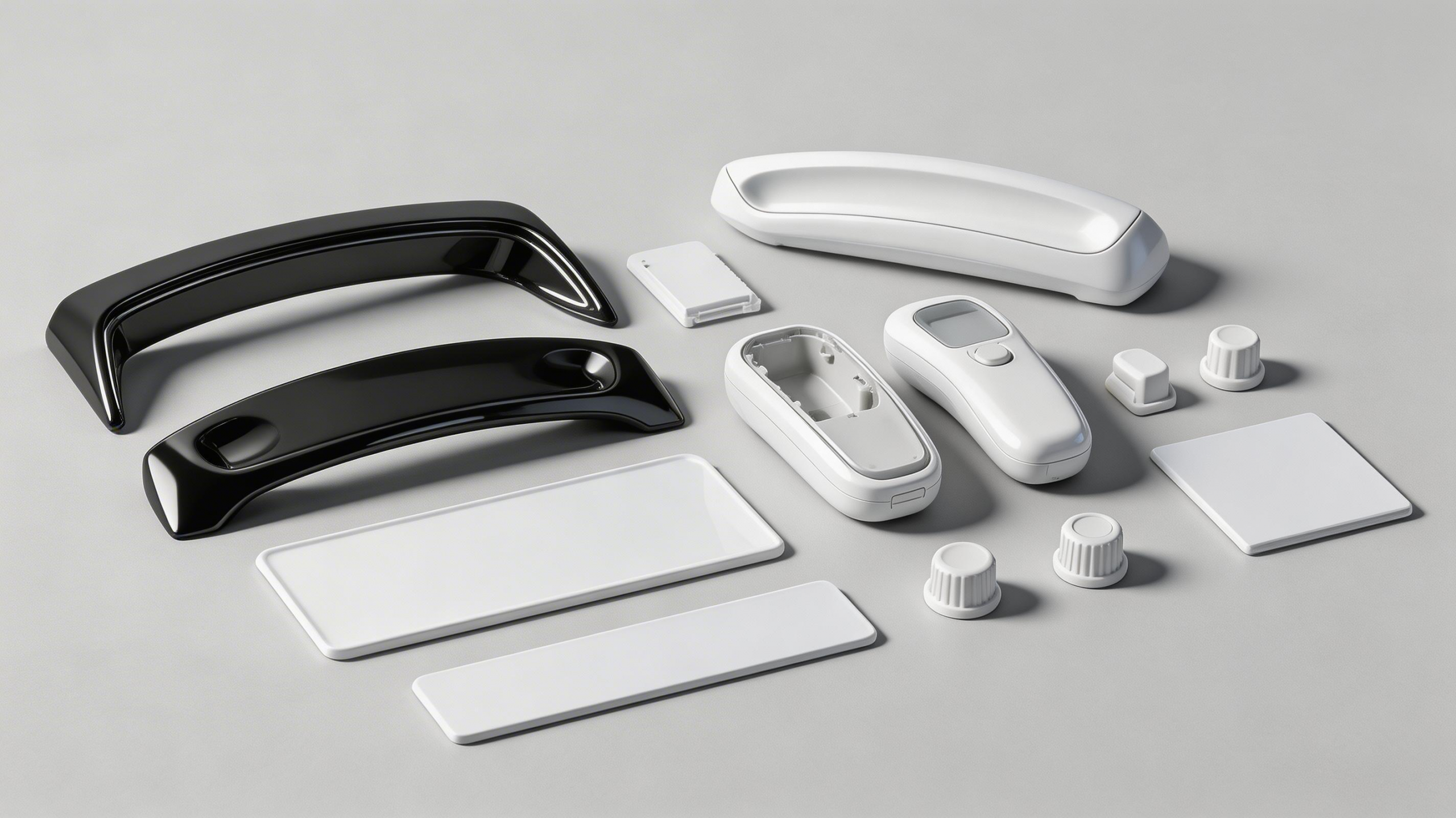
Achieving a consumer-ready, mirror-like finish on thermoplastic components often necessitates costly post-processing steps like sanding, polishing, or painting. However, for OEM and ODM projects demanding high efficiency, advanced abs plastic injection molding offers a superior solution. By exploiting the amorphous structure of Acrylonitrile Butadiene Styrene (ABS) alongside precision tooling, manufacturers can attain SPI A-level surfaces directly from the mold. This capability is particularly vital for engineers and procurement heads in the medical, automotive, and consumer electronics sectors, where aesthetic fidelity must meet rigorous production deadlines. As a premier abs plastic injection molding manufacturer, Livepoint Tooling specializes in optimizing these processes to deliver high-gloss results that eliminate the need for secondary operations, thereby streamlining the supply chain.
Optimizing Process Parameters for Mirror-Like Finishes
To replicate the ultra-smooth surface of a polished mold cavity, engineers must master the thermal dynamics and rheological properties of the polymer. Precise control over the abs plastic injection molding machine parameters is essential to prevent surface defects and ensure true reflection fidelity.
Thermal Management and Injection Profiling
Achieving a high-gloss finish requires a dynamic approach to temperature control, often referred to as Variotherm or Rapid Heat Cycle Molding (RHCM). Unlike standard cooling channels that maintain a static temperature, high-gloss molding involves heating the mold surface to near the polymer’s glass transition temperature (approx. 105°C for ABS) during injection. Data indicates that raising the mold temperature from a standard 60°C to 120°C prior to injection can improve surface gloss by over 60% and reduce surface roughness (Ra) significantly.
Furthermore, injection profiling must be calibrated to manage shear thinning. High-speed injection ensures the material replicates the finest details of the mold texture before the skin layer freezes. However, this must be balanced with sufficient venting to prevent diesel effect burns. For instance, maintaining a moisture content below 0.05% through desiccant drying is critical; excess moisture results in “silver streaks” (splay) that ruin the cosmetic finish, regardless of the mold polish quality.
Tooling Metallurgy and Surface Standards
The foundation of a high-gloss part lies in the steel used for the mold core and cavity. Standard tool steels like P20 are insufficient for SPI A-1 or A-2 finishes due to their microstructure inconsistencies. Instead, utilizing ESR (Electro-Slag Remelting) stainless steels such as S136 or NAK80 allows for polishing to an optical mirror finish without pitting.
| SPI Finish | Surface Roughness (Ra) | Typical Application | Tooling Requirement |
| SPI A-1 | 0.012–0.025 µm | Lens, Mirrors, Visors | Diamond Polish (Grade #3) |
| SPI A-2 | 0.025–0.050 µm | High-Gloss Housings | Diamond Polish (Grade #6) |
| SPI A-3 | 0.050–0.100 µm | Cosmetic Covers | Diamond Polish (Grade #15) |
Implementing these metallurgical standards ensures that abs injection molded plastic parts eject with pristine surfaces, reducing the friction coefficient and mitigating the risk of drag marks during ejection.
Sustainable Manufacturing and Strategic Application Scenarios
Transitioning to high-gloss, mold-in-color manufacturing strategies does more than enhance aesthetics; it fundamentally alters the environmental profile of the product. Eliminating secondary painting processes is a significant step toward reducing the total abs plastic injection molding carbon footprint.
Minimizing the ABS Plastic Injection Molding Carbon Footprint
The traditional workflow for cosmetic ABS parts often involves molding followed by primer, base coat, and clear coat applications. This secondary line is energy-intensive, requiring curing ovens and ventilation systems for Volatile Organic Compounds (VOCs). By achieving the desired aesthetic directly from the abs injection molding process, manufacturers can reduce energy consumption per part by approximately 30% to 40%.
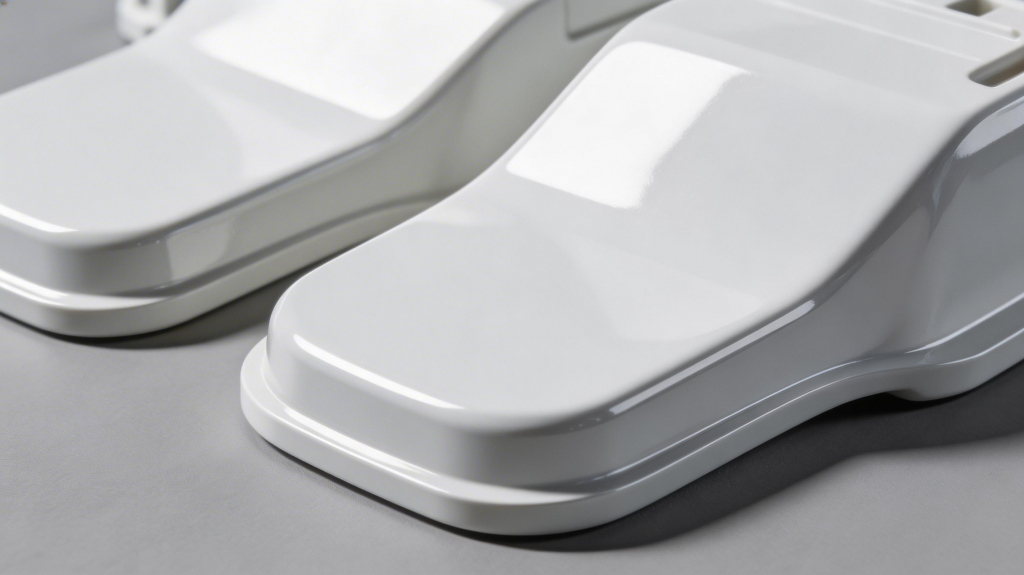
Moreover, the “mold-in-color” approach facilitates easier recycling. Painted parts often contaminate recycling streams, requiring stripping before regrinding. Unpainted high-gloss ABS parts can be granulated and reintroduced into the supply chain as Post-Consumer Recycled (PCR) material more efficiently. For example, incorporating 30% recycled ABS into non-critical internal components can maintain structural integrity while lowering the embodied carbon of the final assembly.
Versatility in Automotive and Medical Components
The strategic application of bare, high-gloss ABS spans multiple industries due to its balance of toughness and rigidity.
Automotive Interiors: In 2023, ABS and its alloys accounted for a significant portion of automotive plastics. High-gloss, low-odor ABS grades are essential for dashboard trims and center consoles, where UV stability and scratch resistance are paramount.
Medical Enclosures: For devices requiring frequent sterilization, high-gloss surfaces offer fewer crevices for bacterial harbor. Medical-grade ABS formulations provide excellent chemical resistance against cleaners like isopropyl alcohol, ensuring the housing does not crack under environmental stress.
Livepoint Tooling Custom ABS Injection Molding Solutions
Livepoint Tooling provides comprehensive manufacturing services, transforming ABS resin into precision-engineered components with superior mechanical properties and surface finishes.
Material Versatility and Property Optimization
Livepoint Tooling leverages the inherent strengths of ABS—specifically its high impact resistance, structural rigidity, and excellent electrical insulation—to suit diverse applications. The company ensures that all abs injection molded plastic parts maintain consistent dimensional stability, crucial for assemblies requiring tight tolerances.
End-to-End Production Capabilities
From initial concept to final delivery, Livepoint Tooling supports the entire product lifecycle:
Rapid Prototyping & Low-Volume: Utilize rapid prototyping to produce multiple parts, enabling market testing and design validation before making large-scale investments.
Mass Production Tooling: High-cavity molds designed for durability and cycle time efficiency, ensuring competitive unit costs for large-scale orders.
Surface Finishing Excellence: While capable of secondary operations like painting and plating, Livepoint Tooling excels in achieving high-quality textures and gloss finishes directly from the mold, optimizing both cost and lead time.
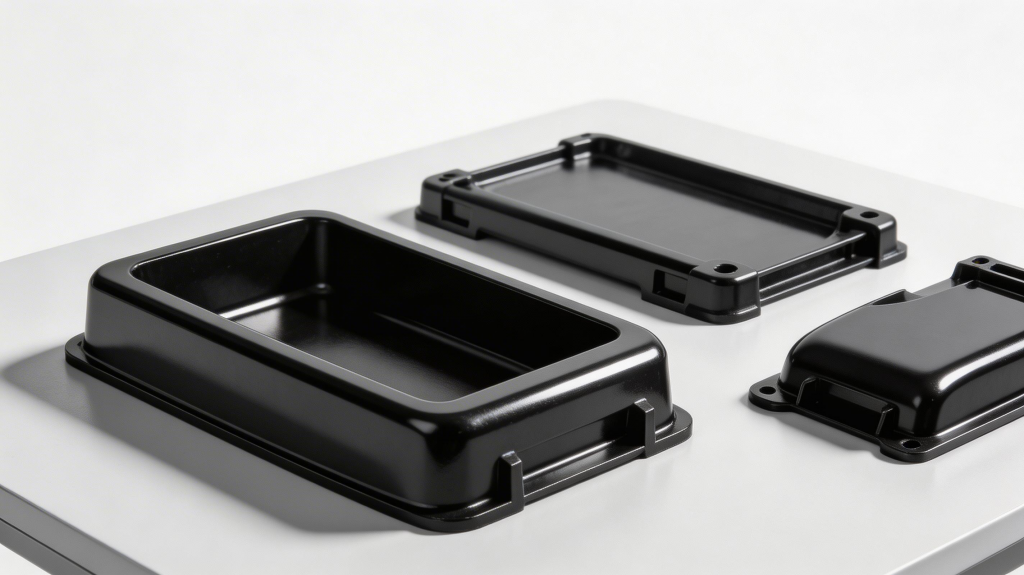
For B2B partners seeking reliable OEM/ODM services, Livepoint Tooling delivers precision and quality.