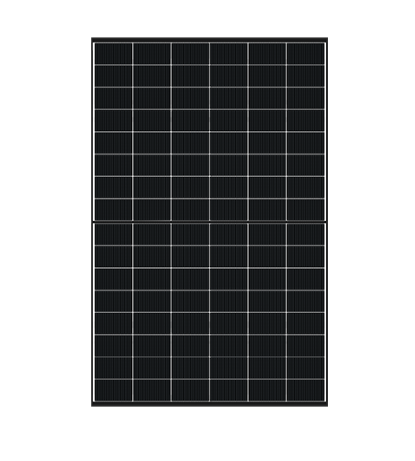
The global shift toward cleaner energy has increased attention on Distributed Solar Photovoltaics, especially in markets where policy incentives encourage local generation. Within this landscape, DMEGC Solar positions their technology for scenarios where system ownership, community sharing, or leasing models help reduce project barriers. They navigate these models by aligning with installers and service providers that focus on cost transparency and flexible deployment. The Distributed Solar Photovoltaics approach allows businesses and homeowners to adopt systems that enhance energy independence while benefiting from supportive policy frameworks.
How Policy Shapes Distributed Solar Adoption
Government programs continue to shape how Distributed Solar projects are financed, installed, and maintained. Policies that provide net-billing, tax credits, or simplified permitting structures help drive adoption. They also create a predictable environment for investors and operators building long-term portfolios. Within these policy conditions, DMEGC Solar supports partners working on distributed projects by offering product information and technical documentation that fits region-specific requirements. Clear rules and stable policies ultimately reduce uncertainty for developers exploring Distributed Solar Photovoltaics and encourage broader market participation.
Modern Distributed Systems: Key Technology Options
As interest in distributed models grows, equipment characteristics must match diverse installation needs. They reference the Infinity RT Series, which includes M10RT and G12RT solar modules designed for higher power and improved efficiency. With outputs reaching 610Wp and efficiency up to 22.95%, this series provides better string capacity, enhanced visual integration, and dependable mechanical performance. Using N-type technology and a 30-year linear power warranty, the series supports residential, commercial, and utility-scale applications that operate within modern distributed business frameworks. This aligns with the increasing demand for distributed systems that prioritize long-term reliability and local energy value.
Conclusion: Business Models and Policy Drive Distributed PV Growth
Distributed Solar continues to expand as supportive business models and policy structures lower barriers to adoption. Stable incentives, flexible ownership approaches, and reliable technology all work together to strengthen the development of Distributed Solar Photovoltaics. By understanding how these factors interact, stakeholders can select solutions that match financial goals, regulatory requirements, and long-term operational needs.