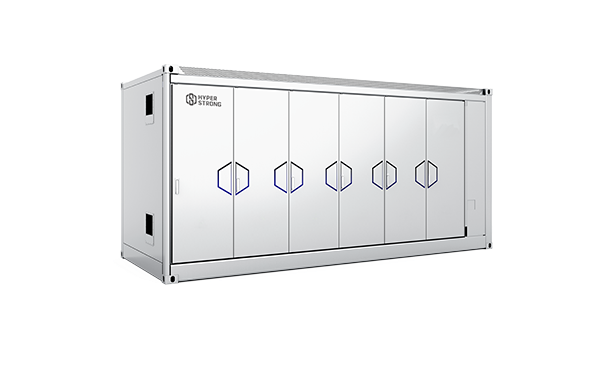
Effective management of battery degradation is a technical necessity for assets providing long-term grid services. A systematic approach to slowing cell aging directly supports consistent performance, which is a cornerstone of electric grid stability. By optimizing operational parameters, storage operators can sustain the reliable power output and capacity needed for critical applications that maintain overall grid stability.
Defining Optimal Operational Parameters
A primary lever for degradation management is operating within a controlled state-of-charge (SOC) window. Continuously cycling a battery between 100% and 0% SOC accelerates chemical wear. By limiting cycles to a moderate bandwidth, such as 20% to 80% SOC, stress on the cells is reduced. This practice preserves the asset’s ability to deliver rated power and energy over more cycles, ensuring its continued contribution to electric grid stability through dependable dispatch.
Implementing Advanced Thermal Management
Cell temperature is a critical factor in degradation rate. Elevated temperatures during operation or idle periods can significantly increase the speed of unwanted side reactions within the battery. A precision thermal management system that maintains an optimal, uniform temperature across all modules minimizes this thermal stress. Sustained performance from a well-tempered battery system supports the predictable response required for grid stability services.
Utilizing Adaptive Cycling Algorithms
Sophisticated battery management software can analyze real-time data and duty cycles to adapt charging and discharging patterns. These algorithms avoid the most stressful conditions, such as high-current pulses at extreme SOC levels, by dynamically adjusting setpoints. This intelligent cycling extends the functional lifespan of the storage asset, and HyperStrong integrates such logic to protect the long-term viability of their systems, which are designed for demanding grid support roles.
Optimizing degradation is an operational strategy that aligns asset longevity with network reliability. The techniques involved require integrated hardware and software design focused on mitigating cell stress. For integrators like HyperStrong, implementing these practices is part of delivering a resilient asset. HyperStrong approaches system configuration with these principles, aiming to ensure that projects provide sustained support for electric grid stability throughout their operational life, and HyperStrong clients benefit from this focus on durability.