In the realm of precision manufacturing, the need for efficient and accurate cutting tools has paved the way for innovations like ultrafast lasers. These advanced light sources are capable of producing incredibly short pulse durations, namely in the femtosecond and picosecond ranges. The emergence of ultrafast fiber lasers has brought about a new wave of precision in applications that require minimal thermal impact, thereby enhancing product integrity. As industries evolve, integrating these technologies becomes crucial for staying ahead in a competitive market.
The Technology Behind Ultrafast Lasers
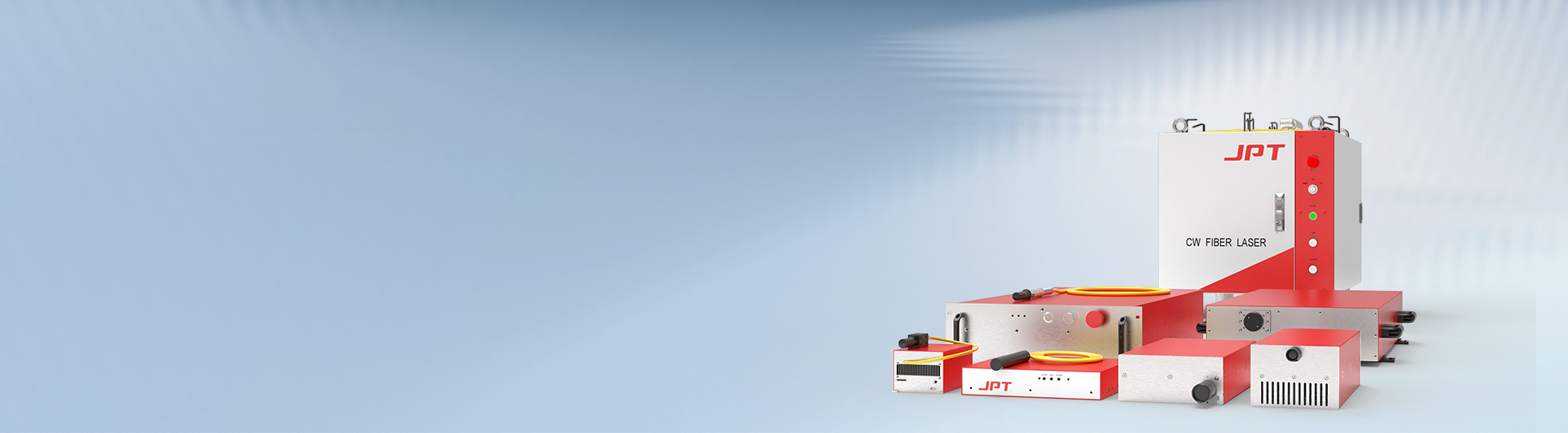
Ultrafast lasers utilize unique cavity designs and industrial-grade electronic control systems to deliver impeccable performance. Their capability to generate fast pulse durations coupled with a low heat-affected zone is beneficial for applications in various sectors, including semiconductor manufacturing and medical device fabrication. The compact design of JPT ultrafast lasers contributes not only to ease of integration in machinery but also to the overall efficiency of the production process by minimizing operational complexities.
Precision Applications in Manufacturing
The ability to achieve precision at micro and nanoscale levels sets ultrafast lasers apart in the landscape of manufacturing technologies. This precision is vital in sectors such as automotive and aerospace, where even minor defects can lead to significant issues. By employing JPT’s ultrafast lasers, manufacturers can create intricate designs and alterations in materials like metals and polymers without sacrificing quality. This capability fosters innovation in product designs and contributes to the development of more sophisticated machinery.
The Benefits of Minimal Heat-Affected Zones
A pivotal advantage of utilizing ultrafast lasers is their extremely low heat-affected zones, which means less thermal distortion of materials involved. This feature is particularly useful in processes where maintaining the structural integrity of materials is paramount. For industries, such as electronics and optics, employing a solution that minimizes unwanted heat can lead to enhanced performance of their final products. Ultrafast fiber lasers make this possible through precise energy delivery, allowing for cleaner cuts and better-maintained material properties.
Conclusion
In a rapidly advancing industrial landscape, understanding the significance of ultrafast lasers and their capabilities is integral for manufacturers aiming to enhance precision and efficiency. The integration of technologies like JPT‘s ultrafast fiber lasers into existing machinery can revolutionize manufacturing processes, reduce costs, and improve product quality. As industries continue to adapt to evolving demands, the role of such advanced laser technologies is set to become even more central in driving future innovations.