Single-cell analysis has revolutionized biomedical research, particularly in studying complex tissues like heart and skeletal muscle. However, isolating viable single cells from these tough tissues can be challenging. Effective dissociation of tissues for single-cell analysis is crucial for obtaining high-quality samples that ensure reliable experimental results.
Importance of Tissue Dissociation Techniques
The dissociation process transforms solid tissue into a single-cell suspension, making it suitable for downstream applications such as flow cytometry and single-cell sequencing. Tough tissues like heart and skeletal muscle require specialized techniques to break down cellular structures without damaging the cells. Traditional mechanical methods may not yield optimal results, leading researchers to look for more efficient alternatives.
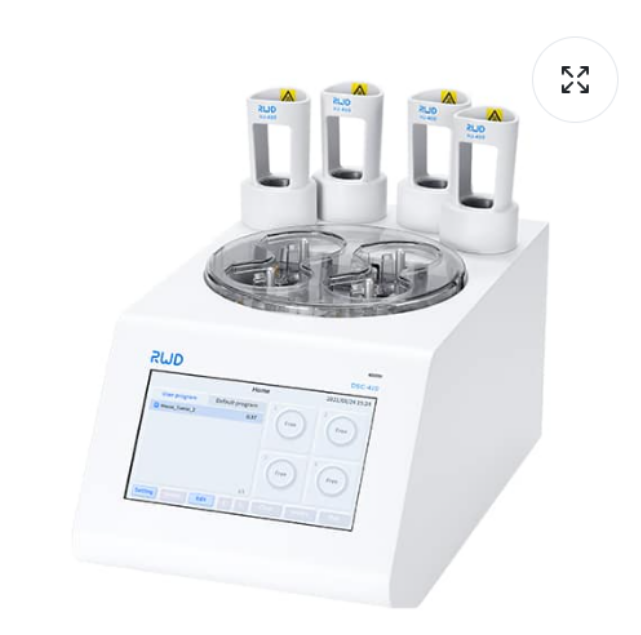
Using a tissue dissociation single cell device, such as the GTD-4 Single Cell Suspension Dissociator, can significantly improve cell viability. This specialized equipment can prepare tissues in just 15–30 minutes. Equipped with four independent working channels, it allows simultaneous processing of multiple tissue types, enhancing overall laboratory efficiency.
Optimizing the Dissociation Process
To achieve effective dissociation of tissues for single-cell analysis, standard protocols should be employed. Utilizing enzymatic treatments alongside mechanical disruption can enhance cell yield and viability. For example, collagenase or dispase can help degrade extracellular matrix components, facilitating better access to individual cells.
Moreover, incorporating heating jackets in dissociation devices can maintain optimal temperatures during the process, further increasing cell recovery rates and improving reproducibility of experimental outcomes. Customizable programs in these devices allow researchers to adjust parameters according to the specific tissue type being processed.
Advancing Research with BPLabline Solutions
For laboratories focused on maximizing the effectiveness of single-cell analysis, the integration of advanced tools like BPLabLine’s GTD-4 Single Cell Suspension Dissociator is essential. This device streamlines the dissociation of tough tissues, providing researchers with high-quality single-cell suspensions quickly and efficiently. By utilizing such innovative technology, scientists can enhance their studies, paving the way for breakthroughs in understanding complex biological systems.