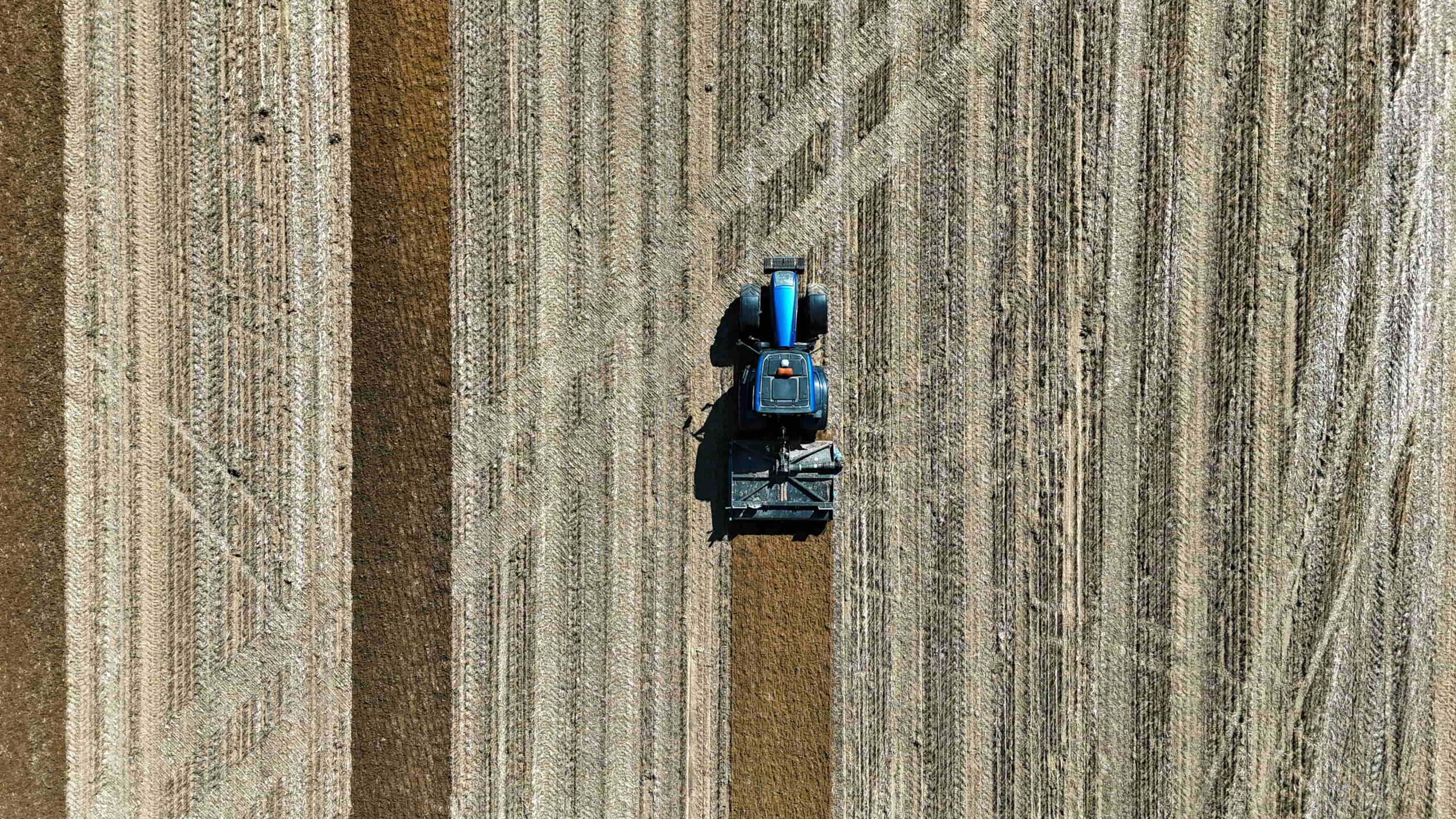
Modern agriculture is increasingly shaped by data-driven decision-making and equipment automation. Among these technologies, tractor autosteer systems play a key role in improving how field tasks are executed. By guiding tractors along predefined paths, these systems help reduce overlap, limit missed areas, and create more consistent field coverage. This approach supports precision farming by allowing operators to focus on monitoring implements and field conditions rather than steering accuracy, especially during long working hours or low-visibility situations.
Improving Accuracy in Repetitive Field Tasks
Precision farming relies on repeatable accuracy across planting, spraying, and fertilizing operations. Autosteer technology helps maintain stable driving lines across different passes, which is essential for row alignment and uniform input distribution. When combined with satellite-based positioning, these systems contribute to reduced soil compaction and more predictable field results. In this context, solutions developed by EFIX are designed to integrate with a wide range of agricultural machinery, allowing farmers to adapt automation tools to existing workflows without fundamentally changing equipment layouts.
GNSS Flexibility for Variable Working Conditions
Reliable positioning is a foundation of automated steering. Some systems are designed to operate under multiple correction signals, which allows them to adjust to changing environments and signal availability. For example, the eSteer 10 supports Multiple GNSS Mode, enabling operation with SPP, DGPS, RTK, and H-PPP (Galileo E6-HAS). This flexibility allows consistent positioning performance across different regions and field conditions, supporting precision agriculture tasks that demand stable accuracy over time rather than short-term corrections.
Conclusion: Linking Automation With Practical Precision
As precision farming continues to evolve, automated steering remains a practical tool for improving field efficiency and operational consistency. By combining guidance technology with adaptable GNSS capabilities, tractor automation supports more structured field management without increasing operational complexity. When thoughtfully integrated, these systems contribute to sustainable farming practices by aligning technology with real-world agricultural needs rather than replacing operator expertise.