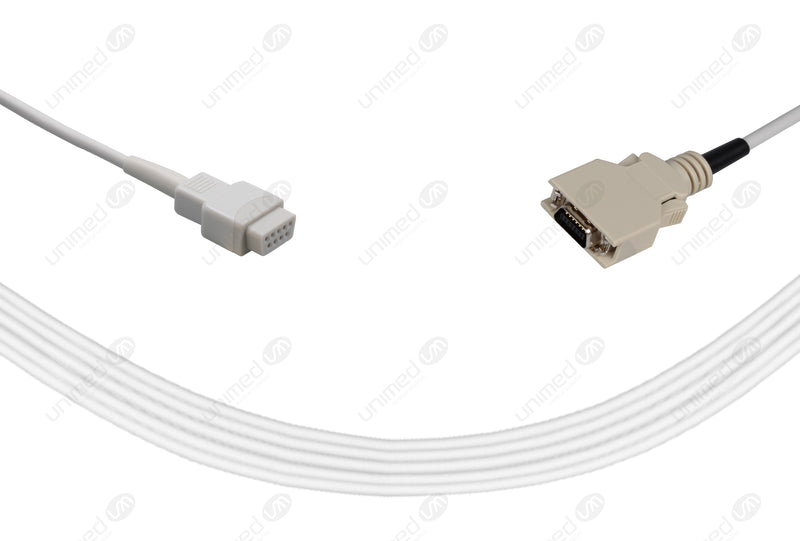
In clinical environments, signal stability is often taken for granted, yet experienced professionals know that the same cable can behave differently once connected to different monitoring systems. This issue is especially relevant when working with SpO₂ monitoring solutions sourced from a SpO2 sensor manufacturer that supports diverse clinical platforms. Factors such as monitor algorithms, input impedance, and signal filtering all influence how physiological data is interpreted. Understanding these variables helps clinicians and biomedical teams select cables that align with real-world monitoring conditions rather than assuming universal compatibility.
Monitor Architecture and Signal Interpretation
Different monitors process electrical signals in their own way, even when the physical cable remains unchanged. Variations in internal hardware design, sampling rates, and noise suppression methods can lead to noticeable performance differences. For example, an infant pulse oximeter sensor connected to separate monitors may display slightly different readings due to how each device converts raw signals into usable data. Companies like Unimed address this challenge by designing interface solutions that account for monitor-side variability, ensuring cables transmit signals consistently without altering the intended physiological information.
Cable Design and Clinical Application
Cable materials, shielding methods, and connector precision play a critical role in real-world performance. Dolphin Compatible SpO2 Interface Cables are designed to maintain stable signal transmission across compatible monitoring platforms, supporting demanding neonatal and pediatric settings. When paired with an infant pulse oximeter sensor, these cables help reduce interference and signal loss, even when monitors differ in internal configuration. As an established infant pulse oximeter sensor supplier, Unimed focuses on compatibility-driven design rather than one-size-fits-all assumptions, which is essential for advanced users managing multiple monitoring systems.
Conclusion: Understanding Compatibility Beyond the Cable
The reason the same cable performs differently on different monitors lies in the interaction between cable design and monitor architecture. Selecting solutions from a reliable SpO2 sensor manufacturer allows experienced users to anticipate these differences and choose components designed for specific platforms. By combining Dolphin-compatible interface cables with well-matched sensors, clinical teams can achieve more predictable monitoring outcomes. This approach reflects how Unimed supports complex clinical environments through compatibility-focused design rather than generalized claims.