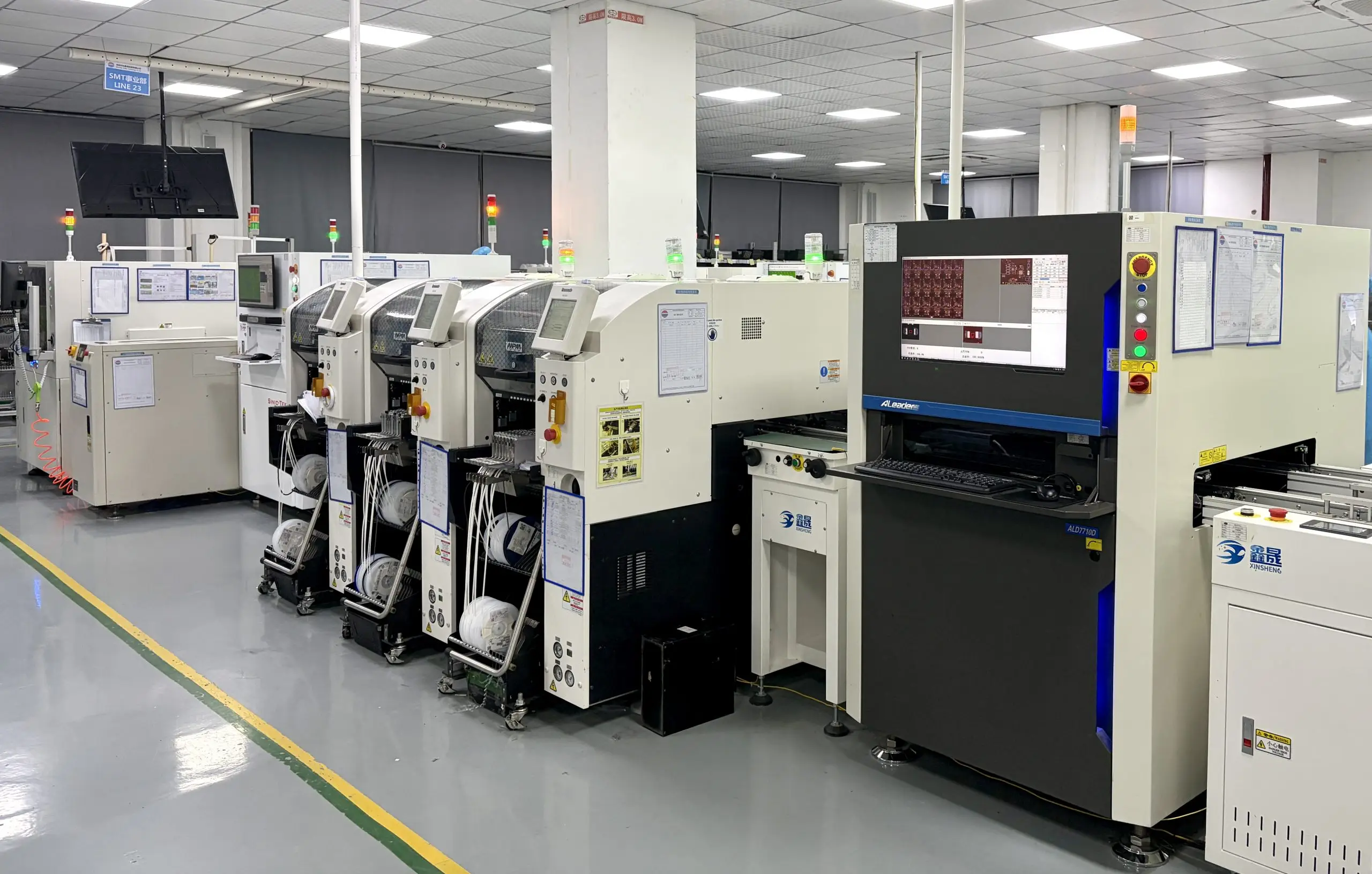
Bringing complex electronic hardware from initial concept to commercial availability requires close coordination between product developers and external production specialists. Technology enterprises often explore collaborative development models to accelerate product realization while minimizing internal resource strain during early development stages.
Understanding these collaborative frameworks helps engineering teams navigate global supply chains and achieve predictable manufacturing outcomes across competitive markets. Such operational approaches aim to reduce unexpected operational delays or budget overruns during active hardware production cycles without unnecessary friction.
Modern hardware innovation frequently demands specialized engineering capabilities that extend far beyond traditional contract manufacturing agreements. When brand owners seek active design participation alongside volume assembly, partnering with experienced specialists provides a balanced operational pathway that preserves technical integrity.
This cooperative framework allows internal product teams to leverage external design expertise while retaining core product vision and proprietary intellectual property rights. Careful planning during formative stages ensures that subsequent manufacturing phases proceed according to established commercial targets and strict quality benchmarks.
Understanding Joint Design Manufacturing Fundamentals
Joint design manufacturing represents a collaborative operational model where contract partners contribute significantly to product engineering alongside volume manufacturing execution. Unlike conventional contract manufacturing where clients supply fully completed blueprints, joint development involves shared design responsibilities from the very beginning of the project lifecycle.
Engineering teams work together to refine schematics, optimize component selection, and enhance overall structural manufacturability without unnecessary communication barriers. This collaborative synergy helps bridge potential gaps between conceptual sketches and practical factory floor execution in modern production facilities.
Product developers benefit from early technical feedback regarding material constraints, thermal performance limits, and assembly efficiency parameters. Such proactive alignment minimizes costly redesign iterations later in the development lifecycle for growing technology enterprises operating within competitive global markets.
Establishing clear communication channels from the outset ensures that both parties remain aligned on technical specifications and functional performance goals. This mutual understanding reduces misunderstandings and fosters a productive working environment throughout the entire engineering and assembly process.
Furthermore, sharing technical insights early prevents potential bottlenecks during prototype fabrication and ensures smoother transitions into subsequent manufacturing phases.
Exploring Core Characteristics And Workflow Stages
The collaborative workflow typically begins with joint requirement analysis, where both parties evaluate technical feasibility and target cost structures thoroughly. Engineers review circuit layouts and mechanical enclosures to ensure that proposed features align seamlessly with existing production capabilities and testing equipment.
This foundational phase establishes a solid operational baseline for subsequent prototyping and tooling fabrication stages across global manufacturing facilities. Following initial feasibility studies, teams move into detailed engineering validation and functional prototype testing under realistic operating conditions.
Working with specialized partners who understand jdm manufacturing meaning ensures that component sourcing and circuit integration proceed smoothly. Transparent communication during these early validation stages prevents operational bottlenecks during subsequent mass assembly operations and retail distribution.
Rigorous testing protocols applied during pilot runs help identify potential design flaws before large-scale tooling investments are finalized. Addressing these minor discrepancies early protects project budgets and ensures that finished hardware units meet rigorous commercial standards and user expectations.
Detailed documentation maintained throughout these stages helps support product traceability and continuous process refinement across manufacturing batches.
Why B2B Hardware Brands Choose Collaborative Models
Commercial enterprises operating in fast-paced technology sectors frequently face tight development schedules and complex engineering hurdles that demand specialized expertise. Managing independent vendors for circuit design, tooling, and final assembly can create administrative friction across operational teams and slow down progress.
Consolidating these responsibilities through collaborative development models simplifies supply chain management significantly for growing businesses seeking market expansion. Businesses seeking reliable production support can collaborate with Minewing to streamline complex assembly workflows across international markets.
Strategic partnerships enable growing technology brands to access advanced manufacturing infrastructure without investing heavily in proprietary plant facilities. This operational flexibility supports sustainable business growth and long-term market competitiveness across diverse industrial sectors and retail environments.
External production partners bring valuable supply chain insights that help mitigate component shortages and stabilize material procurement schedules. Such logistical support allows internal engineering teams to focus their energy on core software development and feature innovation without administrative distractions.
Strategic outsourcing also provides scalable capacity to accommodate seasonal demand spikes without requiring major capital investments in internal infrastructure.
Ensuring Success Through Strategic Industrial Partnerships
Sustaining a productive manufacturing relationship requires continuous performance evaluation and mutual commitment to quality assurance standards over time. Periodic reviews of delivery accuracy, yield rates, and cost efficiencies help both parties identify areas for ongoing improvement and process refinement.
Building strong interpersonal trust fosters better problem-solving dynamics when unexpected industry challenges emerge during active production runs in competitive markets. Flexible production capacity ensures that growing brands can scale manufacturing volumes smoothly as market demand fluctuates across seasonal cycles.
Aligning long-term business goals with a dedicated manufacturing partner supports commercial success and strengthens overall market resilience. Strategic cooperation transforms routine assembly tasks into a valuable asset for innovative technology enterprises navigating dynamic global markets and evolving customer expectations.
Furthermore, leveraging professional electronic odm capabilities allows businesses to maintain high product standards while expanding commercial reach. Cultivating enduring partnerships establishes a stable foundation for long-term technological advancement and sustainable industry leadership across global sectors.
Proactive risk management and open dialogue ensure that potential operational hurdles are addressed swiftly before impacting overall product delivery schedules.