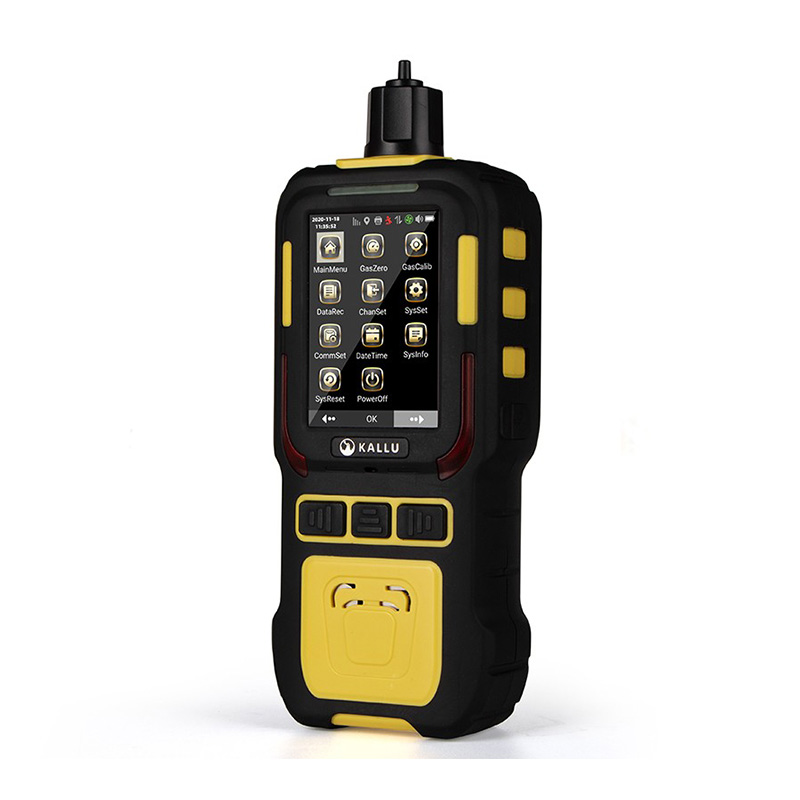
A portable gas detector that displays zero where a leak is suspected should be treated as an unexpected result, not proof that the atmosphere is safe. Possible causes include sampling failure, a blocked inlet, incorrect settings, sensor limitations, calibration problems, or a mismatch between the target gas and instrument configuration. Operators should check the instrument systematically, verify the atmosphere with an approved method, and follow site emergency procedures. A zero reading must never be used alone to authorize entry.
- Put Safety Before Troubleshooting
If a leak is suspected, follow the site response plan, move to safety when required, and prevent unprotected entry. Do not remain in a hazardous atmosphere to investigate an instrument fault. Before confined-space entry, assess the atmosphere from a safe position using the required instruments and procedures. An unexpected reading calls for verification, not reassurance.
- Confirm the Target Gas and Detection Range
Confirm that the instrument detects the gas involved. Check the gas name, unit, range, alarm settings, and sensor type in the manual. Ensure the display shows the intended channel.
Sensor technology matters. Electrochemical sensors are commonly used for gases such as carbon monoxide and hydrogen sulfide, while infrared sensors can detect gases such as carbon dioxide and methane. Performance still depends on the specific sensor, calibration, operating conditions, and gas properties. A gas detector manufacturer should provide sensor specifications and limitations so users can match equipment to the hazard assessment.
- Inspect the Sampling Path and Pump
For a pumped instrument, inspect the complete gas path. Check the probe, tubing, filters, water trap, connectors, and inlet for kinks, loose connections, contamination, moisture, or blockage. A damaged tube may draw clean air instead of the sample. A clogged filter or wet line can restrict flow and prevent gas from reaching the sensors.
Check pump status and follow the prescribed flow test. If a pump-failure warning appears, stop relying on the reading and address the fault according to the manual. Never bypass an alarm or attempt an improvised repair in a hazardous area. With an integrated-pump portable gas detector, confirm that the probe reaches the intended sampling point and allow enough time for the sample to travel through the tubing.
- Check Power, Warm-Up, and Instrument Status
Review battery level, startup sequence, self-test results, fault indicators, and sensor status. Low power, incomplete startup, an expired sensor, or an incorrect display mode may affect operation. Follow the specified warm-up and stabilization time.
Environmental conditions can also affect readings. Compare temperature and humidity at the sampling point with the manual’s operating limits. Remove an instrument exposed to water, extreme temperatures, high gas concentrations, or impact from service until it has been tested.
- Verify Calibration and Perform a Bump Test
Review calibration records for overdue service, incorrect test gas, or previous failures. A bump test confirms that gas reaches the sensor and that the instrument responds and alarms, but it does not replace calibration.
Use certified test gas within its validity period and follow the instrument instructions. If the detector does not respond as expected, do not alter calibration values simply to make the display change. Tag the unit out of service and arrange qualified inspection or repair. A gas detector manufacturer should specify test intervals, compatible accessories, calibration requirements, and service procedures.
- Compare the Reading Using an Approved Method
If the reading remains inconsistent with known conditions, verify the atmosphere with a second, appropriately selected and maintained instrument. Confirm that it measures the same gas, uses suitable units and ranges, and follows a valid sampling method. Differences in tubing length, response time, sensor technology, or sampling location can affect results.
On vessels, engine rooms, cargo holds, pump rooms, and ballast tanks may have different ventilation patterns and gas distribution. A multi-gas instrument can assess several risks when configured for the hazards and used under vessel procedures.
- Match the Instrument to the Application
Selection should reflect the gases of concern, work environment, sampling distance, and maintenance resources. The Bosean K-600M 6 in 1 Multi Gas Detector with Pump uses an integrated built-in pump suction system to detect six kinds of gas simultaneously. It features an imported miniature vacuum pump designed for stable airflow, long service life, and low operating noise.
The sampling pump offers six adjustable flow settings, with a flow range of 300–800 mL/min, allowing users to adapt sampling performance to different detection environments. The K-600M also provides automatic alarms and prompts if the sampling pump fails, helping operators identify sampling issues promptly. In addition, it monitors ambient temperature and humidity in real time. When comparing a portable gas detector, buyers should consider its gas detection capacity, adjustable sampling flow, environmental adaptability, and maintenance requirements to ensure it meets the demands of their specific applications.
Turn an Unexpected Zero into a Controlled Check
A zero reading during a suspected leak calls for a disciplined response: protect people first, confirm the target gas, inspect the sampling path, review instrument status, verify calibration and response, and compare results using an approved method. No single check establishes that an atmosphere is safe.
When evaluating equipment, ask a gas detector manufacturer for documented sensor capabilities, operating limits, pump checks, and maintenance guidance. A qualified gas detector manufacturer should also explain service requirements. Bosean develops and sells gas detection and measurement instruments and provides technical services to customers, helping organizations select and maintain equipment for the hazards they monitor.