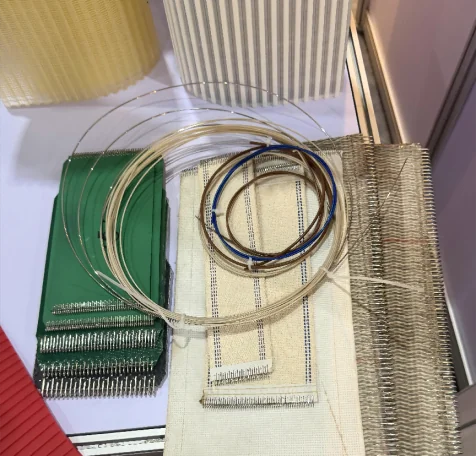
Proper hardware maintenance ensures that material handling systems remain productive throughout their intended service life. When maintenance teams evaluate their fastening hardware, the conveyor belt hinge pin frequently serves as a critical junction for operational reliability. They acknowledge that the connection point experiences the most significant physical stress during daily cycles. By prioritizing the correct specifications for these components, facilities can prevent premature wear and maintain a consistent flow of materials without unexpected interruptions.
Evaluating Material Requirements
Requirements for heavy-duty applications often necessitate the use of stainless hinge pins to combat corrosion and environmental degradation. These components must withstand continuous friction and potential exposure to moisture or chemicals that characterize many industrial processing zones. Intake provides options that address these durability concerns by offering materials suited for varied operational conditions. When they assess the specific environment of their facility, technical teams can match the pin material to the intensity of the work to avoid rapid degradation of the splice area.
Strategic Installation Practices
Installation procedures influence how effectively the conveyor belt hinge pin performs under load. Accurate alignment during the insertion process is essential to ensure that the belt ends pivot evenly across the width of the splice. Because Intake offers specialized fastening systems, they emphasize that improper installation can lead to unequal tension and potential fastener fatigue. Maintaining strict adherence to manufacturer guidelines during assembly helps prevent binding, allowing the fastener to move naturally with the pulley system as it engages with the conveyor framework.
Long-term Maintenance and Inspection
Regular inspections of stainless hinge pins allow teams to identify wear before it compromises system integrity. They monitor the surface condition of these pins to ensure they remain straight and free from grooves that could damage the fastener loops. By implementing a routine check, operators can replace components during scheduled downtime rather than reacting to a sudden belt separation. This proactive approach to hardware care helps protect the entire belt assembly from unnecessary strain and extends the life of the fastening system significantly.
Ensuring that every component within the conveyor system is properly maintained facilitates a more stable production environment. By monitoring the condition of hinge pins and aligning them correctly, professionals keep their operations running reliably.