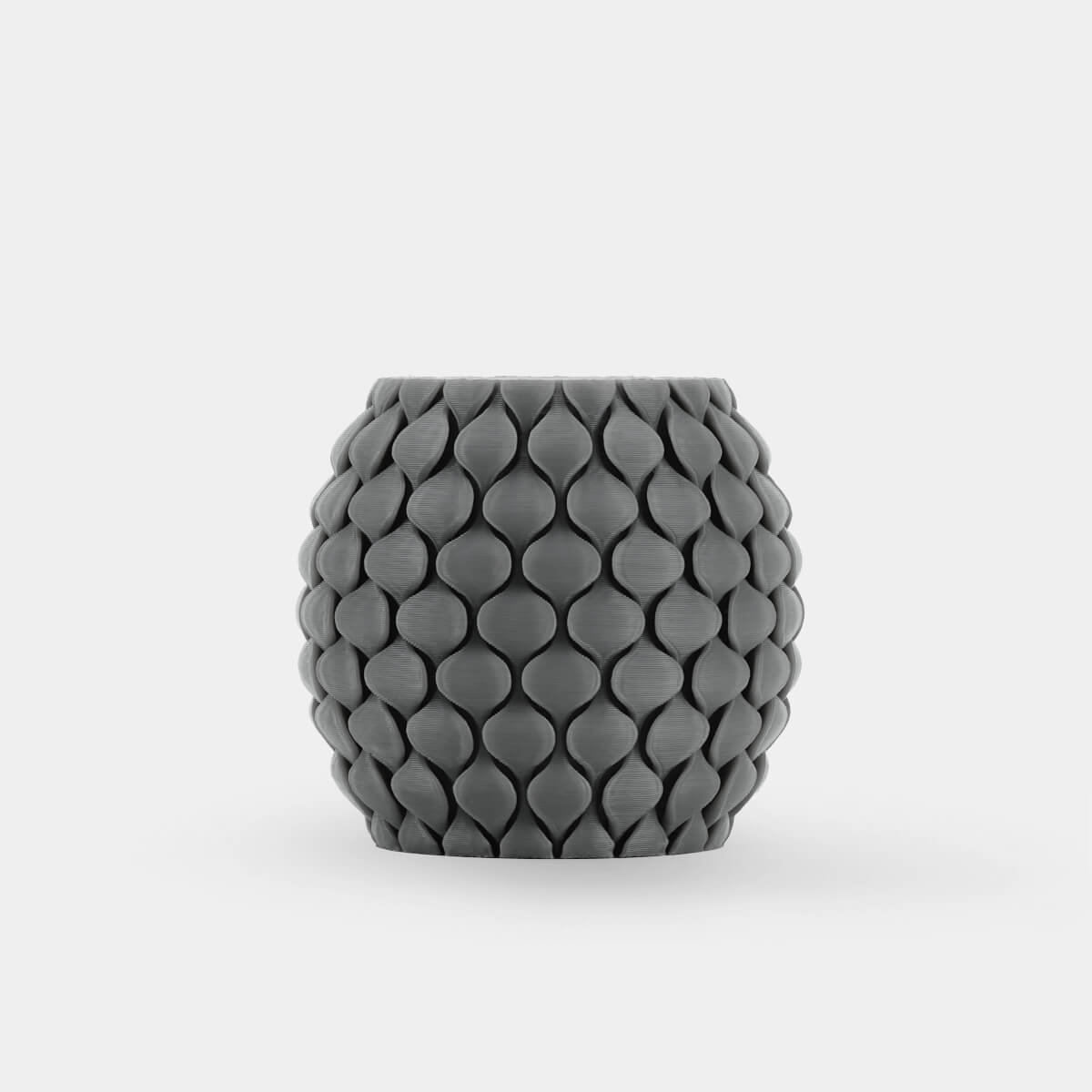
PLA+ 2.0 is worth considering when a project calls for more toughness than a standard PLA filament provides. Engineered for durability, this material combines high-impact resistance and structural strength with the flexibility of a wide printing speed range.
Whether it is a useful upgrade depends on the work: decorative models may not benefit much, while parts that face regular handling could benefit from a material selected for added toughness.
What Sets PLA+ 2.0 Apart?
PLA+ 2.0 is a modified PLA filament positioned for makers who want familiar printability with improved toughness. It offers two to three times the impact strength of standard PLA+, with 1.75 mm diameter and tight ±0.02 mm tolerance for reliable, smooth extrusion
These details make it relevant to users comparing 3d printer pla filament options for everyday models, toys, accessories, and prototypes.
The comparative claim is a starting point, not a promise that every printed part will be two or three times harder to break. Results depend on shape, wall thickness, layer bonding, print orientation, and how force is applied. A small test part can show whether the material suits a design better than the filament currently in use.
Read the Mechanical Specifications
The published figures offer a more complete picture than a toughness claim alone.
| Property | PLA+ 2.0 specification |
| Tensile strength | 46 ± 5 MPa |
| Flexural strength | 83 ± 5 MPa |
| Notched Izod impact strength | 10 ± 3 kJ/m² |
| Elongation at break | 10 ± 2.5% |
| Heat deflection temperature | 56 ± 3°C |
| Filament diameter | 1.75 ± 0.02 mm |
Tensile strength relates to resistance under pulling forces, while flexural strength describes behavior under bending. Impact strength measures response to a sudden load, and elongation at break indicates how far a sample stretches before it fractures. Each test measures a different characteristic, so no single value describes overall durability.
The listed heat deflection temperature matters for use around heat. PLA-based materials can soften in warm environments, so this filament may not suit parts kept in hot vehicles, near heating elements, or under sustained high-temperature loads. Consider the expected environment alongside the mechanical requirements.
How Does It Print?
Its nozzle temperature and print speed is 205–215°C at 50–100 mm/s and 215–245°C at 100–200 mm/s, with a bed temperature of 50–60°C. Treat these ranges as a guide rather than a fixed recipe, since the printed result can vary with the machine. Nozzle design, build surface, cooling, and layer height can influence results.
Begin with a temperature and speed within the relevant range, then assess first-layer adhesion, surface finish, bridging, and filament feeding. The stated diameter tolerance supports dimensional consistency, while orderly winding is intended to help reduce tangling during feeding.
If a print shows gaps or rough surfaces, check the slicer profile, nozzle condition, and material handling before attributing the result to the filament.
A brief test print can show how the material behaves before you commit to a larger model. It also gives you direct evidence of whether the change improves the parts you make.
Where Can It Be Useful?
PLA+ 2.0 can be considered for toys, accessories, figurines, decorative items, and prototypes that receive frequent handling. Its toughness-oriented formulation may suit clips, holders, covers, and similar small components when the design and operating conditions are appropriate.
Geometry still matters: thin tabs and sharp internal corners can concentrate stress even when a tougher filament is used.
For parts that carry significant loads, flex repeatedly, or operate near heat, test the exact design before relying on it. A material data sheet does not replace application testing, particularly when dimensions, layer direction, or print settings differ from standardized test conditions.
Is the Upgrade Worth It?
The upgrade is worth evaluating when part breakage, impact resistance, or frequent handling is a recurring concern. The published mechanical data provide a basis for comparison, and the recommended printing ranges make it possible to trial the material without starting from an unknown setup. SUNLU also describes orderly winding and broad FDM-printer compatibility as product features.
For display pieces, low-stress models, or projects where appearance matters more than toughness, standard PLA may already meet the need. Compare spool cost, print success, and the performance of a representative part rather than judging by the material name alone. A small trial print is a practical way to assess whether the change improves the results that matter in your workflow.
Make the Choice by Project
When choosing pla plus 2.0, start with the part’s purpose, expected force, surrounding temperature, and finish requirements. Check the published temperature guidance and adjust the profile gradually. The result of your own prints, rather than a published comparison, decides whether the upgrade pays off.
Among 3d printer pla filament options, the upgrade is especially relevant when added toughness solves a clear problem. When the current material already delivers the required appearance and function, a change may offer little practical benefit. A project-based trial turns product specifications into a decision grounded in your own prints.