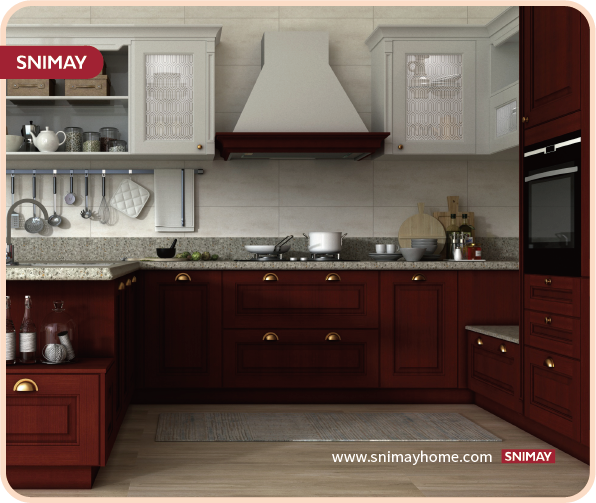
For kitchen furniture retailers, distributors, and project developers, finish selection is an important consideration when building a product collection. Solid wood cabinets are valued for their natural appearance, material characteristics, and ability to create different kitchen styles. However, the final look and maintenance requirements can vary significantly depending on whether the wood receives a stain or painted finish.
When selecting solid wood kitchen cabinets for residential projects or retail collections, buyers need to consider more than appearance. Factors such as design direction, customer preferences, maintenance expectations, and project positioning all influence which finish is more suitable.
Understanding the Characteristics of Solid Wood Cabinets
Solid wood has long been used in kitchen furniture because of its natural texture, warm appearance, and distinctive grain patterns. Unlike some manufactured surfaces, wood offers visual variations that can create a more natural and personalized kitchen environment.
For businesses developing kitchen cabinet collections, material selection is closely connected with market positioning. Different wood finishes can help retailers serve customers seeking traditional, modern, premium, or practical kitchen styles.
SNIMAY develops solid wood kitchen cabinet solutions with a focus on natural wood characteristics, customized designs, and practical kitchen applications. The company applies kiln-drying and timber-stabilizing processes to prepare wood materials, helping maintain the balance between natural appearance and structural performance in different kitchen environments.
Stained Finishes Highlight Natural Wood Grain
Stained finishes are often selected when the goal is to preserve and enhance the natural characteristics of wood. Instead of covering the surface completely, stain allows the original grain patterns and textures to remain visible.
For retailers, stained cabinets can be suitable for collections focused on natural aesthetics, classic designs, or spaces that emphasize material authenticity. Different stain colors can create various visual effects while maintaining the connection with the original wood structure.
A solid wood kitchen pantry cabinet with a stained finish can provide a warm appearance while offering functional storage. This type of product may appeal to customers who prefer kitchens with a natural atmosphere and visible wood details.
Painted Finishes Create More Color Flexibility
Painted finishes provide a different design approach by adding a layer of color over the wood surface. This allows manufacturers and retailers to offer a broader range of colors that match different interior trends and project requirements.
Compared with stained surfaces, painted cabinets can create a cleaner and more uniform appearance. They are often considered for contemporary kitchens, customized designs, or projects where specific color coordination is important.
For businesses planning product lines, painted solid wood cabinets can help expand design options and address customers who want colors beyond traditional wood tones.
Comparing Maintenance Requirements
Maintenance considerations are important for kitchen furniture buyers because cabinets are exposed to daily use, moisture, cleaning activities, and temperature changes. Both stained and painted finishes require proper care to maintain their appearance.
Stained finishes may be preferred by some customers because the visible wood grain can help maintain a natural look over time.
Painted finishes may require more attention when dealing with visible scratches or surface marks because color consistency is an important part of the design. Retailers should communicate suitable care recommendations based on the selected finish.
Choosing Finishes Based on Project Positioning
For wholesalers and project buyers, finish selection should match the target market and application scenario. Stained cabinets may support collections positioned around natural materials, traditional styles, or warm interior concepts.
Painted options can provide more flexibility for modern residential projects, customized kitchen designs, and markets where color variety plays an important role in purchasing decisions.
For businesses comparing different cabinet finishes, SNIMAY’s solid wood collections provide options for exploring natural materials and customized kitchen designs. SNIMAY’s solid wood kitchen cabinet range supports customized designs, including different door profiles and timber species, giving retailers and project buyers options for developing collections with different visual directions.
Expanding Product Options with Solid Wood Solutions
Offering both stained and painted finishes can help retailers build a more complete product portfolio. Different customers may have different expectations regarding natural appearance, color choices, and long-term maintenance.
A well-designed collection can include multiple finish options while maintaining consistent quality standards. This allows businesses to serve different market segments without changing their overall product strategy.
For companies sourcing solid wood kitchen cabinets, working with an experienced manufacturer can provide support in product selection, customization, and project development.
Selecting the Right Finish for Your Market
The choice between painted and stained solid wood cabinets depends on the intended design style, customer expectations, and project requirements. Stained finishes emphasize natural grain and material character, while painted finishes provide broader color possibilities and design flexibility.
SNIMAY offers solid wood kitchen cabinets with different finish options and configurations for various kitchen design requirements. By selecting suitable finishes and configurations, businesses can create cabinet offerings that better match different residential styles and customer expectations.