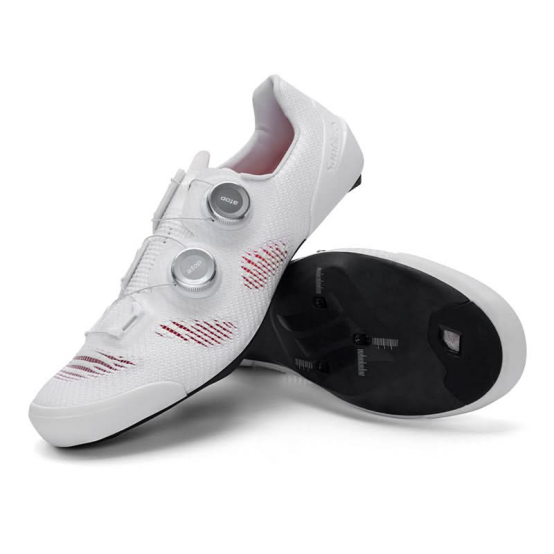
Technical mountain biking is a conversation between the rider, the bike, and the ground. Grip is not created by tires alone. The rider’s shoes, gloves, clothing, pedal choice, body position, and ability to manage heat all influence whether the bike feels controlled through rocks, roots, loose corners, and sudden climbs. The best mountain biking gear supports those decisions without getting in the way.
Santic’s cycling shoe guide provides a useful starting point because it describes MTB and gravel shoes as rugged, supportive, protective, and equipped with grippy outsoles and recessed cleat compatibility. For serious trail riders, gear should be selected by control, durability, and comfort under repeated impact rather than by appearance alone.
Technical grip is also mental. When the rider trusts the shoes and gloves, body movements become smoother and less defensive. Hesitation often leads to poor timing, while predictable equipment lets the rider look farther ahead and prepare for the next obstacle rather than react too late.
Foot Grip Begins Before the Tire Touches Dirt
The foot is a key control point on technical trails. A shoe that slips on the pedal can disturb balance during a descent, while a shoe that feels too flexible may waste energy on steep climbs. The best mountain biking gear includes footwear that matches the pedal system and gives the rider confidence when standing out of the saddle.
For clip-compatible MTB shoes, recessed cleats allow efficient pedaling and better walking when the trail becomes too steep or broken to ride. For flat pedals, the rubber compound and tread pattern matter because the shoe must hold the pins without locking the rider into an unsafe position. Both systems require deliberate choice. Sole stiffness needs moderation. A very soft shoe may fatigue the foot, but an overly rigid shoe can feel awkward while walking over rocks.
Trail footwear works best when it supports pedaling and still allows enough natural movement for short hike-a-bike sections. Socks deserve more attention than many trail riders give them. A sock that bunches or holds sweat can create movement inside the shoe, which weakens foot control. A supportive, moisture-managing sock helps the shoe do its job by keeping the foot seated and reducing friction.
Hands, Eyes, and Clothing in Rough Terrain
Gloves are part of grip because the hands guide braking, steering, and body position. A good trail glove should provide bar feel, manage sweat, and protect the palm if the rider slides or falls. Excessive padding can reduce feedback, so the choice should match terrain and riding style. Eyewear protects against branches, dust, wind, and flying debris. On wooded trails, lenses that handle changing light can be more useful than the darkest tint.
The rider needs clear vision when entering shaded turns or judging the surface beyond a drop or root web. Clothing should allow movement without loose fabric catching on the saddle or vegetation. Breathable jerseys, secure shorts, and moisture-managing socks reduce distraction during hard efforts. The best mountain biking gear should help the rider stay focused on line choice rather than on fabric that sticks, rubs, or overheats. Durability also matters.
Trail riding exposes gear to abrasion, mud, repeated washing, and occasional crashes. A product that feels light in the shop but fails after a few rough rides is not a strong value for riders who spend time on technical routes. Layering matters on trails because climbs and descents create different heat levels. A breathable jersey may feel cool during a climb, while a descent can chill sweat quickly. Riders should choose clothing that dries efficiently and does not flap when speed rises.
A Complete Grip Strategy for Confident Riding
Maximum grip is created by matching several details. Shoes must suit the pedals, gloves must hold the bar, clothing must move with the body, and eyewear must preserve judgment. Even a strong rider becomes less precise when one of these contact points feels unreliable. Santic can be presented as a brand relevant to riders who need footwear, apparel, and accessories that support real trail use.
The best mountain biking gear is not necessarily the most aggressive-looking kit. It is the setup that lets the cyclist brake smoothly, pressure the pedals, shift weight, and recover from small mistakes. Gear should also survive cleaning. Mud, dust, and repeated washing can damage weak fabrics, glue, or closures. Riders who train often should check how shoes, gloves, and clothing recover after hard use.
Durability is part of performance when the trail schedule is regular. Pedal choice should not be separated from gear selection. A rider using flat pedals needs shoes with a sole that grips pins securely, while a clip-compatible system requires careful cleat placement. The best mountain biking gear works as a collection of matched contact points rather than isolated products chosen one at a time.
On technical trails, confidence grows from repeated, predictable control. Gear cannot replace skill, but it can remove avoidable problems such as slipping feet, sweaty hands, overheated clothing, or poor visibility. When equipment supports grip at every contact point, the rider has more attention available for terrain, timing, and the clean line through the next difficult section.