Motor specifications often look straightforward on a product sheet, yet the figures alone rarely reveal how a vehicle will perform after repeated acceleration, long climbs, or extended daily use. Heat management affects operating stability, component stress, and the way a scooter handles demanding conditions.
For distributors comparing products across different price brackets, understanding cooling design can help distinguish meaningful engineering differences from headline performance claims. An experienced electric scooter manufacturer should be able to explain how its motor manages heat and provide technical information that supports informed product selection.
How Heat Affects Electric Motor Performance
An electric motor converts electrical energy into mechanical movement, but not all the input energy becomes useful output. Electrical resistance, magnetic losses, and mechanical friction generate heat during operation. As temperature rises, the motor and its surrounding components face greater thermal stress, which can affect efficiency, insulation life, and sustained performance. The actual outcome depends on motor design, controller settings, operating conditions, and the quality of the overall thermal management system.
Riding patterns make a substantial difference. Short urban journeys with frequent stops create repeated acceleration cycles, while long uphill routes can keep a motor under heavy load for an extended period. A vehicle used for delivery work may face a different thermal profile from one used for occasional leisure trips. Distributors should consider the intended use alongside rated power and maximum speed, since neither figure alone describes how well a motor maintains performance under continuous demand.
Temperature control also influences maintenance expectations over time. Excessive heat can accelerate the aging of insulation, lubricants, seals, and nearby electrical components, depending on the system design. Thermal protection may reduce the risk of damage by limiting output when temperatures become excessive, although this can affect power delivery during demanding use. When evaluating a liquid cooled motor, distributors should ask how temperature is monitored, what protection mechanisms are provided, and how the system is designed for the expected operating environment.
Comparing Air Cooling and Liquid Cooling
Air-cooled motors use airflow to transfer heat away from heated surfaces. Their relatively simple construction can reduce system complexity and avoid the need for coolant circulation components. For light-duty vehicles or applications with moderate loads, this arrangement may provide sufficient thermal control. Performance depends on airflow, surface area, ambient temperature, and the amount of heat generated, so an air-cooled design should not automatically be considered unsuitable for demanding conditions.
Liquid cooling transfers heat through a circulating fluid and a designed heat-transfer path. Because liquid can carry heat away from the motor more effectively than still air in many applications, the system may help manage thermal loads where sustained power is important. However, performance depends on the coolant, circulation design, heat exchanger, seals, and maintenance requirements. The additional components can also increase manufacturing complexity, so distributors should assess the entire system rather than assuming that liquid cooling alone indicates superior product quality.
The most useful comparison considers operating conditions and verified test data. Suppliers should clarify whether efficiency figures refer to the motor alone or the complete electrical system, and whether measurements were taken at a particular load, speed, or temperature. A liquid cooled motor may be advantageous in some high-load applications, but actual benefits depend on system design and vehicle integration. Buyers should request information about thermal performance, service intervals, and protection features instead of relying on a single efficiency percentage.
Assessing Cooling Technology in a Supplier’s Product Range
For B2B distributors, the objective is to match engineering features with customer needs and a viable retail price. A cooling system that adds value to long-distance commuters or frequent commercial riders may be less important to customers who make short, low-speed trips. Product segmentation should reflect these differences: specifications need to support a clear use case, and sales staff should be able to explain why a feature matters in practical terms. This approach makes technical comparisons more useful than ranking products by power figures alone.
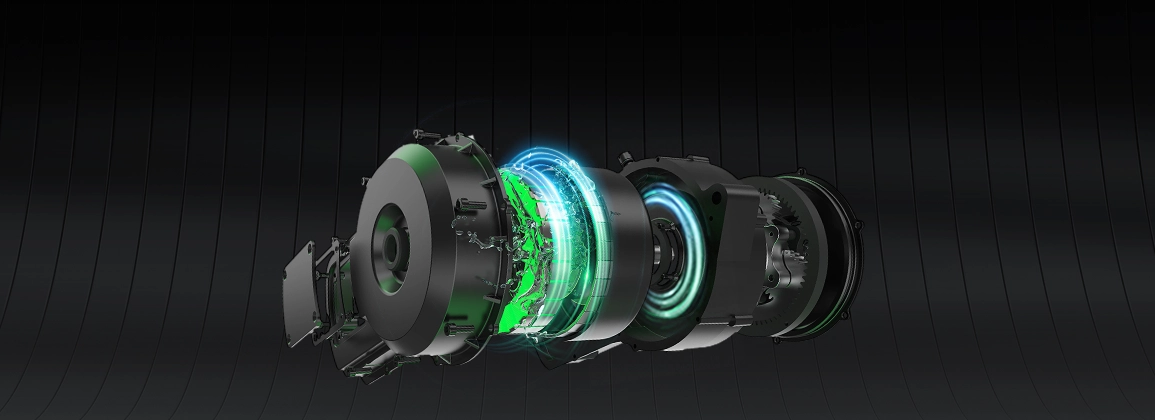
LUYUAN’s published liquid-cooling information describes a circulating coolant system that it says lowers temperature by 38°C and maintains efficiency above 92%. The company also states that its motor carries an IPX8 rating and is designed for demanding riding conditions, including steep hills and heavy loads. These are manufacturer-reported claims, so distributors should request the applicable test conditions, certification documentation, and details of the specific configuration before using the figures in sales materials. The meaning of a water-resistance rating should also be confirmed for the complete vehicle, since a component rating does not automatically establish the protection level of every electrical part.
A supplier assessment should extend beyond the headline technology. Electric scooter manufacturers should be able to explain the cooling system’s service needs, replacement-part availability, warranty coverage, and response process for technical issues. Distributors can also ask how performance is validated under different ambient temperatures and load conditions. Clear answers help estimate the total cost of ownership and determine whether a more complex motor system is suitable for the intended market.
Conclusion
Cooling technology is best understood as one part of a vehicle’s wider engineering system. Motor power, controller behavior, battery capability, riding conditions, and maintenance requirements all influence real-world results, making isolated specification figures insufficient for a purchasing decision. A liquid cooled motor may offer practical benefits where sustained loads create significant thermal demands, while a simpler design may remain suitable for lighter use.
By requesting test evidence and service details from potential suppliers, distributors can compare products with greater confidence. LUYUAN participates in the electric two-wheeler market with technologies intended for varied riding needs, and its specifications can be assessed alongside other suppliers’ documented performance, compliance information, and after-sales support when building a commercially sound product range.